


Many gaming enthusiasts dive headfirst into their favorite games, unaware of the financial black hole they’re stepping into. In this cautionary tale of digital decadence, we explore the dangerous gaming habits that can leave your bank account weeping. From in-game purchases to loot boxes, the allure of virtual rewards can quickly spiral out of control, draining your funds faster than you can say “game over.” Stay alert, fellow gamers, for the money pits of the digital realm are deep and treacherous.

Key Takeaways:
- Exercise Financial Responsibility: Be mindful of your spending habits in online gaming to avoid financial troubles.
- Set Limits: Establish a budget for gaming expenses and stick to it to prevent overspending.
- Avoid Impulse Purchases: Think carefully before making in-game purchases to prevent unnecessary expenditure.
The Allure of Virtual Riches
Ah, the siren call of virtual wealth in the gaming world. Many gamers find themselves drawn to the promise of virtual riches, whether it’s in the form of rare in-game items, powerful gear, or coveted cosmetics. The allure of building wealth or enhancing one’s character through in-game purchases can be irresistible, leading many players down a slippery slope of spending.
The Psychology of In-Game Purchases
Psychology plays a crucial role in why gamers are willing to shell out real money for virtual items. Game developers often utilize techniques such as limited-time offers, exclusive items, and in-game rewards to create a sense of urgency and FOMO (fear of missing out) among players. The instant gratification of buying something that enhances gameplay or boosts one’s status can trigger a dopamine rush, making in-game purchases feel rewarding and addictive.
The False Sense of Accomplishment
One of the dangers of indulging in in-game purchases is the false sense of accomplishment it can bring. By spending money to acquire items or skip ahead in the game, players may feel a temporary high or a sense of achievement. However, this feeling is often short-lived and can result in a cycle of needing to spend more to maintain that fleeting sense of success.
With the ease of making in-game purchases and the seductive appeal of virtual rewards, players can quickly find themselves trapped in a vicious cycle of spending. It’s important for gamers to be aware of these psychological triggers and set limits for themselves to avoid falling into the trap of virtual riches that can bankrupt their bank accounts.
The Dark Side of Loot Boxes
Some gamers may find themselves unwittingly falling into a financial trap when it comes to the world of loot boxes. These virtual treasure troves have become a contentious issue within the gaming community due to their resemblance to gambling mechanics.
The Gambler’s Fallacy
Gamblers who fall victim to the lure of loot boxes often succumb to the Gambler’s Fallacy, the belief that previous outcomes will influence future results. This flawed logic convinces players that the more they invest in loot boxes, the closer they are to receiving the coveted item they desire. However, each box opened is an independent event with no correlation to previous or future outcomes, leading to an endless cycle of spending in pursuit of elusive rewards.
The Exploitation of Human Psychology
Dark patterns and manipulative tactics are employed by game developers to exploit human psychology and encourage compulsive spending on loot boxes. By utilizing techniques such as variable ratio reinforcement schedules and the element of surprise, players are enticed to make repeated purchases in the hopes of obtaining rare items. This predatory behavior preys on vulnerabilities and can have serious consequences for individuals susceptible to addictive tendencies.
Plus, the use of flashy visuals, limited-time offers, and social pressure from in-game progression systems further heighten the allure of loot boxes, creating a sense of urgency and FOMO (Fear of Missing Out) that compels players to spend more than they intended.
The Never-Ending Cycle of Updates
Once again, you find yourself sitting in front of your screen, eagerly awaiting the latest updates for your favorite game. It seems like just yesterday that you shelled out big bucks for the base game, but now there are new expansions, DLCs, and microtransactions popping up every other week. The never-ending cycle of updates can quickly drain your bank account if you’re not careful.
The Constant Need for New Content
With each new update promising exciting features, enhanced graphics, and exclusive rewards, it’s easy to get sucked into the trap of constantly chasing the next big thing. Developers know how to hook players in with the promise of fresh content, keeping them engaged and spending money in the game. Before you know it, you’ve spent hundreds, if not thousands, of dollars on in-game purchases without even realizing it.
The Fear of Missing Out (FOMO)
Missing out on limited-time events, exclusive items, or special promotions can trigger a sense of FOMO among gamers. The fear of missing out drives players to make impulsive purchases to keep up with their peers and stay relevant in the game. This constant pressure to stay ahead can lead to overspending and financial strain.
It’s crucial to recognize when the fear of missing out is affecting your gaming habits and take steps to set boundaries. Do not forget, it’s okay to enjoy a game without having every single cosmetic item or completing every in-game event. Your financial well-being is more important than virtual rewards.
The High Cost of Staying Competitive
The Pressure to Keep Up with the Joneses
To truly excel in the gaming world, players often feel the pressure to keep up with the latest trends, updates, and releases. The fear of falling behind, missing out on crucial in-game advantages, or being left in the dust by competitors can drive gamers to constantly seek out new ways to stay competitive. Players may feel compelled to purchase expensive expansion packs, in-game items, or even high-end gaming equipment just to stay on par with their peers. This mentality can lead to a never-ending cycle of spending in order to maintain status and relevance within the gaming community.
The Financial Burden of Staying Ahead
Staying ahead in the gaming world can come at a significant financial cost. Players may find themselves investing large sums of money into in-game purchases, subscriptions, and updates to maintain their edge. The pursuit of staying competitive can quickly add up, draining bank accounts and causing financial strain. It’s crucial for gamers to be mindful of their spending habits and set limits to prevent falling into a financial hole in the name of staying ahead in the gaming world.
The allure of virtual success can sometimes cloud judgment when it comes to spending real money in the pursuit of in-game achievements. Gamers must strike a balance between enjoying their favorite pastime and responsibly managing their finances to avoid the pitfalls of overspending in the relentless quest to stay ahead.
The Seductive Power of Microtransactions
The Convenience of Impulse Buying
All gamers have experienced the temptation of microtransactions at one point or another. With just a few clicks, you can enhance your gaming experience with new cosmetics, items, or boosts. Microtransactions are designed to be convenient, making it easy for players to make impulse purchases without much thought. This convenience is a double-edged sword, as it can lead to overspending and financial regret.
The Difficulty of Self-Control
One of the biggest dangers of microtransactions is the difficulty of exercising self-control. Game developers use enticing offers, limited-time deals, and exclusive items to entice players to spend money. Microtransactions can quickly add up, leading to a significant dent in your bank account if you’re not careful. It’s easy to get caught up in the moment and justify these purchases as enhancing your gaming experience, but it’s imperative to set limits and prioritize your financial well-being.
To avoid falling into the trap of overspending on microtransactions, it’s crucial to set a budget and stick to it. Limit the amount of money you’re willing to spend on in-game purchases each month and resist the urge to impulse buy. Consider disabling 1-click purchasing options and take a step back to evaluate whether the purchase is truly necessary before hitting that buy button.
The Hidden Fees and Charges
Your gaming habits might be draining your bank account more than you realize. Hidden fees and charges lurk within many games, waiting to catch unsuspecting players off guard. These insidious costs can quickly add up, turning your gaming hobby into a financial nightmare.
The Sneaky Nature of In-Game Purchases
On the surface, in-game purchases may seem harmless, just a small transaction here and there to enhance your gaming experience. However, developers often use clever tactics to entice players to spend more money. Whether it’s tempting loot boxes, exclusive skins, or powerful upgrades, the allure of these virtual items can be hard to resist. Before you know it, you’ve racked up a hefty bill without even realizing it.
The Unforeseen Consequences of Clicking “Buy Now”
Sneaky pop-ups and one-click purchases make it easy to impulse buy in-game items without fully considering the cost. What starts as a one-time purchase can escalate into a spending spree that leaves your wallet empty. The convenience of instant transactions can lead to regret once you see the total amount you’ve spent.
The Unforeseen Consequences of Clicking “Buy Now”: It’s crucial to set limits and be mindful of your spending habits to avoid financial repercussions. Recall, virtual items may provide temporary satisfaction, but the real-life consequences of overspending can have a long-lasting impact on your finances.
The Social Pressure to Spend
Despite the enjoyment gaming brings, there is a dark side to the constant pressure to spend money within the gaming community. This pressure can come from various sources, including online communities and the fear of social exclusion.
The Influence of Online Communities
Any gamer who spends time in online gaming communities knows the overwhelming influence they can have on spending habits. Whether it’s through peer pressure or the glorification of in-game purchases, these communities can make gamers feel like they need to keep up with the latest trends and updates by spending money. The constant comparisons and discussions around purchases can lead to a sense of inadequacy if one doesn’t spend as much as others, driving individuals to overspend.
The Fear of Social Exclusion
Exclusion from gaming circles is a real fear for many gamers. The fear of missing out on group activities or being left behind in the game can push individuals to spend money they may not have to stay relevant. This fear can be exploited by game developers who offer exclusive items or advantages for purchase, creating a sense of urgency to spend in order to fit in with the rest of the community.
Influence can be a powerful motivator when it comes to spending within the gaming world. The need to belong and be accepted within a gaming community can drive individuals to go to great lengths to keep up with the spending habits of their peers. It’s important to be aware of these pressures and make conscious decisions about where and how you choose to spend your money in the gaming world to avoid falling into financial pitfalls.
The Emotional Manipulation of Gamers
The Use of Emotional Triggers
All too often, video game developers utilize psychological tricks to keep players hooked and spending money. Through the use of emotional triggers, such as FOMO (fear of missing out), social validation, and the need for achievement, developers can manipulate gamers into making impulsive purchases within games. These triggers are carefully designed to tap into our basic human emotions and exploit our vulnerabilities.
The Preyed-Upon Emotions of Gamers
Emotions like excitement, competitiveness, and desire for progression are often preyed upon by game developers to encourage players to spend money on in-game purchases. When players are so emotionally invested in a game, they are more likely to justify spending real money to advance or enhance their gaming experience. This can lead to compulsive and irrational spending as players chase the emotional highs provided by the game.
Plus, some games implement time-limited offers or exclusive items to create a sense of urgency and scarcity, triggering players’ FOMO and encouraging them to make purchases before it’s too late. This manipulation of emotions can result in players overspending and struggling with financial consequences outside of the game world.
The Unregulated Wild West of Online Gaming
After being lured in by the promise of shiny loot and epic adventures, many gamers find themselves caught in the consumerist crossfire of the unregulated world of online gaming. With virtual marketplaces offering a plethora of in-game purchases from skins to power-ups, the temptation to splurge can be overwhelming.
The Lack of Oversight and Regulation
Oversight is scant in online gaming, where microtransactions can quickly add up, leading to hefty expenditures without the player even realizing it. Without clear regulations governing the sale of virtual items, gamers are left vulnerable to predatory tactics that exploit psychological triggers to encourage spending.
The Consequences of Unchecked Capitalism
One consequence of unchecked capitalism in online gaming is the emergence of pay-to-win models, where players can gain a competitive edge by shelling out real money. This creates a divide between those willing to spend and those who are not, disrupting the level playing field that should exist in gaming.
Plus, the addictive nature of these mechanisms can lead to players overspending in pursuit of virtual status symbols or in-game advantages, ultimately fueling a cycle of impulse buying and financial strain. Players must exercise caution and be aware of the potential pitfalls to avoid falling into the trap of endless spending within the unregulated wild west of online gaming.
The Devastating Consequences of Gaming Addiction
Now, let’s explore into the dark side of gaming addiction and how it can lead to devastating consequences in a gamer’s life.
The Financial Ruin of Excessive Spending
Gaming addiction can take a serious toll on your finances. Players who are addicted to in-game purchases or constantly chasing the latest releases can find themselves in a financial hole that is challenging to climb out of. The temptation to buy virtual goods or in-game currency can quickly add up, draining your bank account faster than you realize. Before you know it, you may find yourself struggling to make ends meet or racking up credit card debt to support your gaming habit.
The Destruction of Personal Relationships
One of the most heartbreaking consequences of gaming addiction is the toll it can take on personal relationships. One may become so consumed by gaming that they neglect spending time with loved ones, leading to feelings of loneliness, resentment, and abandonment. As financial troubles mount and communication breaks down, it can strain relationships with family and friends, ultimately leading to a sense of isolation and disconnection.
The Enablers of Gaming Addiction
The Game Developers’ Role in Addiction
Role Keep in mind that game developers play a significant role in creating addictive gaming experiences. They often utilize psychological tricks to keep players engaged and coming back for more. Features like loot boxes, in-game rewards, and timed challenges are designed to trigger a dopamine response in the brain, making players feel a sense of achievement and satisfaction.
The Complicity of Online Platforms
Developers It’s important to recognize that online platforms also play a complicit role in fostering gaming addiction. With 24/7 availability and social integration features, online gaming platforms make it easy for players to get sucked into a never-ending cycle of gameplay. The instant gratification provided by these platforms can lead to excessive gaming habits and ultimately, financial strain.
To protect yourself from falling into the trap of gaming addiction enabled by developers and online platforms, it’s important to set limits on your gaming time and establish boundaries to prevent overspending on in-game purchases. Remember that while gaming can be a fun and enjoyable hobby, it’s crucial to prioritize your financial well-being and overall health.
Breaking the Cycle of Addiction
Not all gaming habits are harmless fun. In some cases, they can lead to addiction, draining your bank account and taking a toll on your mental and physical well-being. It’s imperative to recognize the signs of addiction and take steps to break free from its grip.
Recognizing the Signs of Addiction
On the surface, gaming addiction may seem harmless, but it can quickly spiral out of control. Spending excessive amounts of time gaming, neglecting other responsibilities, feeling irritable or restless when not gaming, and experiencing withdrawal symptoms when trying to cut back are all signs that your gaming habits may have turned into an addiction. If you find yourself prioritizing gaming over everything else and struggling to cut back despite the negative consequences, it may be time to seek help.
Seeking Help and Support
One of the most important steps in breaking free from gaming addiction is seeking help and support. Opening up to friends or family members about your struggles, seeking therapy or counseling, and joining support groups for gaming addiction can provide you with the tools and guidance needed to overcome your addiction. Recall, you don’t have to face this battle alone.
Plus, setting boundaries around your gaming habits, finding alternative activities to engage in, and creating a support network of individuals who understand your struggles can significantly increase your chances of successfully breaking free from gaming addiction.
The Path to Financial Recovery
Creating a Budget and Sticking to It
For a wallet warrior looking to recover from the financial mayhem caused by gaming habits, creating a budget is paramount. Take a hard look at your income, expenses, and gaming expenditures. Set strict limits on how much you can allocate to gaming each month – prioritize important expenses like bills and savings before allocating any funds to gaming. Sticking to your budget is crucial to avoid falling back into the trap of overspending on games.
Finding Alternative Hobbies and Interests
On the road to financial recovery, it’s important to find alternative hobbies and interests that do not drain your bank account like gaming does. Exploring activities like hiking, painting, reading, or cooking can be fulfilling and cost-effective alternatives to gaming. Engaging in social activities that don’t revolve around expensive gaming equipment can help shift your focus and reduce the urge to splurge on new games.
Any new hobby or interest you pursue should be enjoyable, engaging, and budget-friendly. It’s a great opportunity to discover new passions and talents while rebuilding your finances and avoiding the pitfalls of excessive gaming expenses.
It’s important to strike a balance between entertainment and financial responsibility, ensuring that your newfound hobbies bring joy without causing financial strain. Be mindful of, financial recovery is a journey, and finding alternative interests can help you stay on track and avoid relapsing into detrimental gaming habits.
To wrap up
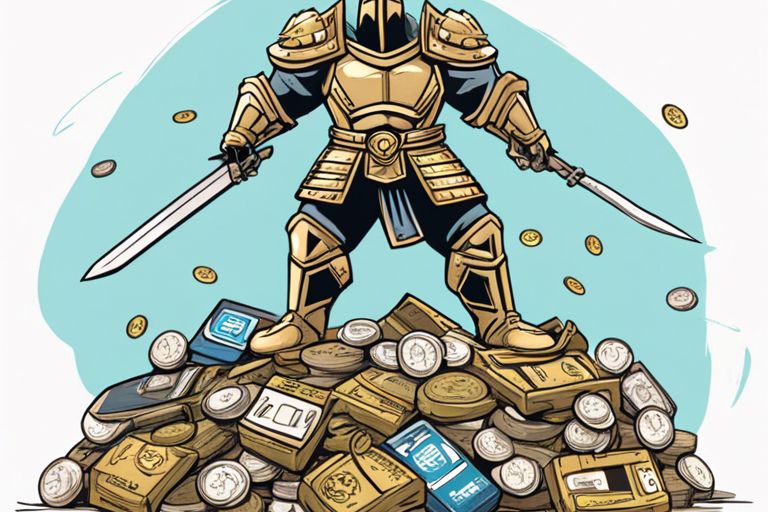
In the end, being a “Wallet Warrior” in the gaming world is not a title to be proud of. It’s crucial to be mindful of our gaming habits to avoid bankrupting our bank accounts. Whether it’s setting a budget, resisting the urge to make impulse purchases, or exploring free-to-play options, there are ways to enjoy gaming without breaking the bank. Do not forget, it’s all about finding a balance and enjoying games responsibly.


