


Most enthusiasts of retro gaming can attest to its lasting cultural impact on society. From iconic characters to groundbreaking technologies, retro gaming continues to shape modern entertainment and pop culture. Dive into old school consoles and arcade games to explore the influence that these classics have had on our world today.
Key Takeaways:
- Nostalgia Factor: Retro gaming continues to captivate audiences due to its ability to evoke feelings of nostalgia for a bygone era.
- Cultural Influence: The impact of retro games extends beyond entertainment, shaping music, fashion, and art in contemporary society.
- Community Building: Retro gaming has created a tight-knit community of enthusiasts who celebrate the classics and keep the legacy alive through events and online forums.
The Birth of Retro Gaming
The Early Days of Arcade Culture
Days before the internet and widespread home gaming consoles, arcades were the hub of gaming culture. Packed with flashing lights, the smell of popcorn, and the sounds of coins clinking in machines, these spaces were where gamers gathered to show off their skills and engage in friendly competition.
The Rise of Home Consoles
Any gamer from the ’80s and ’90s will remember the excitement of running home from school to play on their Nintendo Entertainment System (NES) or Sega Genesis. These home consoles brought the arcade experience into living rooms, allowing players to enjoy their favorite games without the need for a pocket full of quarters.
Rise of Home Consoles: With the introduction of home consoles, gaming transformed from a public arcade pastime to a private, personal experience. Players could now enjoy their favorite games at home, on their own time, without the need to leave the house. This new era marked the beginning of gaming becoming a mainstream form of entertainment, setting the stage for the industry’s explosive growth in the decades to come.
Retro Gaming’s Influence on Music
While retro gaming has left an indelible mark on popular culture, its influence on music is undeniable. From chiptune music to iconic video game soundtracks, the world of gaming has inspired a whole new wave of musical creativity.
Chiptune Revival
Chiptune music has seen a resurgence in recent years, with artists using old video game consoles and computers to create nostalgic yet innovative tunes. The distinctive sound of chiptune music, characterized by its 8-bit aesthetic and catchy melodies, has captured the hearts of music lovers around the world.
Video Game Soundtracks in Popular Culture
An imperative component of the gaming experience, video game soundtracks have made their way into popular culture in a big way. Composers like Nobuo Uematsu (known for his work on the Final Fantasy series) and Koji Kondo (famous for creating the iconic Super Mario Bros. theme) have revolutionized the way we perceive video game music. Their compositions have become anthems for gamers everywhere, transcending the boundaries of the gaming world.
Fashionably Late: Retro Gaming’s Impact on Fashion
Pixelated Patterns and 8-Bit Chic
The influence of retro gaming on fashion is unmistakable. Many designers and fashionistas have taken inspiration from classic video game graphics, incorporating pixelated patterns and 8-bit aesthetics into their clothing lines. This nostalgic nod to the past has become a trendsetter in the fashion world, appealing to both gamers and non-gamers alike.
Cosplay and Retro Gaming Inspiration
Cosplay has also been heavily influenced by retro gaming. Fans of classic games often dress up as their favorite characters from beloved titles such as Super Mario, The Legend of Zelda, and Pac-Man. This fusion of gaming and fashion has created a vibrant subculture where fans can express their creativity and passion for gaming through elaborate costumes and accessories.
Gamings influence on fashion doesn’t stop at clothing. Video game-themed accessories, such as jewelry, bags, and shoes, have also become popular among retro gaming enthusiasts. These unique pieces allow fans to incorporate their love for gaming into their everyday style, turning nostalgia into a fashion statement.
Retro Gaming’s Role in Film and Television
Despite being considered a niche hobby in its early days, retro gaming has had a significant impact on mainstream media, particularly in film and television. The nostalgia associated with classic video games has been a powerful tool for creators looking to connect with audiences who grew up playing these games.
References and Homages in Modern Media
Modern film and television often pay homage to retro gaming through subtle references or full-blown plotlines centered around video game culture. Shows like “Stranger Things” and “Black Mirror” have incorporated 80s video game aesthetics and narratives into their storytelling, appealing to both older viewers who lived through the golden age of arcade gaming and younger audiences curious about the roots of modern gaming.
The Evolution of Video Game Adaptations
One notable trend in recent years has been the increase in video game adaptations for film and television. While early attempts at bringing video games to the screen were often poorly received, newer adaptations like “The Witcher” and “The Mandalorian” have showcased a more sophisticated approach to translating gaming narratives to a visual medium, attracting both gamers and non-gamers alike.
This shift reflects a growing acceptance of video games as a legitimate form of storytelling and entertainment, with studios recognizing the vast potential of adapting beloved game franchises for the screen.
The Art of Retro Gaming
For those who grew up playing retro video games, the art style holds a special place in their hearts. Pixel art is a distinctive visual aesthetic that defined the gaming industry in the 80s and 90s. With limited graphics capabilities, developers had to get creative with their designs, resulting in iconic characters and environments that are instantly recognizable to fans. In recent years, there has been a revival of pixel art in indie games, appealing to both nostalgic players and newcomers attracted to its charm.
Pixel Art Revival
An increasing number of indie developers are choosing to adopt pixel art in their games, embracing the retro aesthetic as a deliberate stylistic choice. The simplicity and nostalgia associated with pixel art resonate with players looking for a break from the hyper-realistic graphics prevalent in modern gaming. This resurgence has breathed new life into classic art techniques, proving that pixel art is more than just a nostalgic throwback—it’s a timeless art form that continues to captivate audiences.
Retro-Style Game Design
Gaming enthusiasts are not only drawn to the visual style of retro games but also to the game design principles that defined the era. Retro-style game design often prioritizes gameplay mechanics, level design, and player skill over flashy graphics or cinematic storytelling. This back-to-basics approach celebrates the essence of game design, challenging players to master the game through skill and perseverance.
A key aspect of retro-style game design is the focus on difficulty levels. Retro games were notorious for their challenging gameplay, requiring players to practice and refine their skills to progress. This unforgiving nature has a polarizing effect on players, with some reveling in the challenge while others find it frustrating. Nevertheless, the demand for challenging gameplay persists, proving that the appeal of retro gaming lies in its timeless mechanics.
Community Building and Nostalgia
Once again, retro gaming proves its lasting impact through the community it has created and the nostalgia it evokes in its fans.
The Power of Online Forums and Social Media
For many retro gamers, online forums and social media platforms have become a virtual meeting place where they can connect with like-minded individuals, share their passion for classic games, and discuss gaming strategies. These online communities serve as a hub for nostalgia-driven conversations, where players reminisce about their favorite game consoles, share tips and tricks, and even organize online gaming sessions. The sense of camaraderie and shared enthusiasm found in these digital spaces is a testament to the enduring appeal of retro gaming.
Retro Gaming Events and Meetups
Online interactions are not the only way retro gaming enthusiasts come together. Retro gaming events and meetups have gained popularity in recent years, providing fans with the opportunity to gather in person, swap games, participate in tournaments, and celebrate their love for vintage gaming. These events often feature retro gaming vendors selling classic titles, panel discussions with industry veterans, and gaming competitions that bring out the competitive spirit in attendees.
Forums like Reddit’s r/retrogaming or dedicated Facebook groups have become vital spaces for retro gaming fans to exchange ideas, seek advice, and build friendships. These platforms not only foster a sense of belonging within the gaming community but also serve as valuable resources for discovering new retro games, troubleshooting technical issues, and staying informed about upcoming events.
The Business of Retro Gaming
The Rise of Retro Gaming Consoles and Handhelds
To cater to the growing demand for retro gaming experiences, many companies have released retro gaming consoles and handhelds. These devices often come pre-loaded with classic games from the past, offering players a convenient way to revisit their favorite titles. The Nintendo Entertainment System (NES) Classic Edition and the PlayStation Classic are prime examples of such products, allowing gamers to relive the nostalgia of their childhood.
The Market for Retro Gaming Merchandise
To complement the retro gaming experience, there is a thriving market for retro gaming merchandise. Fans can purchase t-shirts, posters, mugs, and other collectibles featuring their favorite retro games and characters. This market appeals to both nostalgic gamers looking to reconnect with their past and newer generations interested in the iconic aesthetics of retro gaming.
Apart from physical merchandise, the market for retro gaming also includes digital goods such as emulated games, soundtracks, and art books. These digital products offer a convenient way for gamers to access retro content and further immerse themselves in the nostalgia of classic titles.
Retro Gaming’s Impact on Modern Game Design
Now let’s take a look at how retro gaming has influenced modern game design. From indie game development to mainstream titles, the lasting impact of classic games can be seen in various aspects of modern gaming.
Influence on Indie Game Development
Impact on Indie Game Development
Indie game developers have been particularly drawn to the charm and simplicity of retro games. The nostalgia associated with classic games has inspired many indie developers to create innovative and unique titles that pay homage to the past, while incorporating new gameplay mechanics and storytelling techniques. This blend of old-school aesthetics with modern technology has resulted in a thriving indie game scene that continues to push the boundaries of game design.
Retro Elements in Modern Games
Gamings
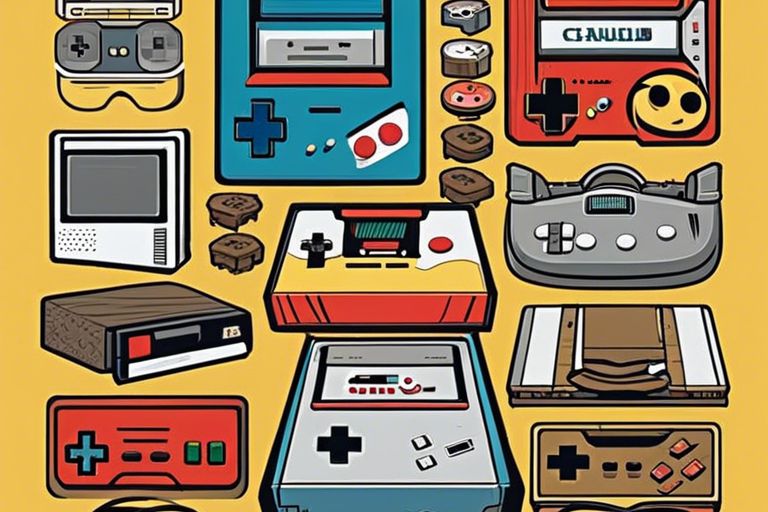
With the resurgence of retro gaming, we have seen a resurgence of retro elements in modern games. Game developers are incorporating pixel art, chiptune music, and classic gameplay mechanics into their titles to tap into the nostalgia of older gamers while also appealing to a new generation of players. This combination of old and new has proven to be a winning formula, creating experiences that resonate with a wide audience.
The Psychology of Retro Gaming
Many psychologists have studied the impact of retro gaming on individuals and society as a whole. The nostalgia and sentimental value associated with classic games can evoke powerful emotions and memories from the past, creating a sense of comfort and familiarity for players.
Nostalgia and Sentimental Value
For many gamers, retro games hold a special place in their hearts, reminding them of simpler times and cherished childhood memories. The act of replaying these classic titles can provide a sense of nostalgia that transports players back to a time when life was easier and more carefree. The sentimental value attached to these games can create a deep emotional connection, making them more than just pixels on a screen.
The Appeal of Simple, Addictive Gameplay
Sentimental attachment aside, retro games also offer a unique appeal in terms of gameplay. The simplicity and addictiveness of classic titles like Pac-Man and Tetris can provide hours of entertainment without the need for complex storylines or high-definition graphics. Players are drawn to the easy-to-learn, difficult-to-master mechanics that require skill and precision to succeed.
Plus
Beyond the entertainment value, the straightforward gameplay of retro games can also serve as a form of stress relief and escapism for individuals seeking a break from the complexities of modern life. The instant gratification and rewarding gameplay of classics can offer a sense of accomplishment and fulfillment that is sometimes lacking in today’s more realistic and immersive gaming experiences.
Retro Gaming and Education
Using Retro Games in the Classroom
Keep the fun alive while learning by incorporating retro games into the classroom. Teachers have found that old-school video games can be powerful educational tools, engaging students in a way that traditional methods sometimes fail to do. By utilizing retro games, educators can tap into students’ inherent love of gaming to make learning more interactive and enjoyable.
The Educational Value of Retro Games
Retro games offer a unique blend of entertainment and education. Titles like “Oregon Trail” teach history and decision-making skills, while puzzle games like “Tetris” improve spatial reasoning and problem-solving abilities. These classic games provide a nostalgic touchpoint for many adults and offer a valuable learning experience for students of all ages.
Retro games also promote critical thinking, hand-eye coordination, and perseverance. By challenging players with increasingly difficult levels, these games foster a growth mindset and resilience in the face of failure. The simplicity of retro games makes them accessible to a wide range of players, leveling the playing field and providing equal opportunities for learning and fun.
The Preservation of Retro Gaming History
Archiving and Preserving Classic Games
Preserving classic games is necessary to ensuring that future generations can experience the roots of modern gaming. Archiving old games involves backing up game data, preserving physical copies, and documenting the history surrounding each game. With the ever-evolving technology, there is a risk of older games becoming obsolete and unplayable. Thus, efforts to archive and preserve classic games are crucial to prevent their loss.
The Importance of Game Preservation
History has shown us that without proper preservation efforts, many cultural artifacts, including games, can be lost forever. Games not only serve as entertainment but also as a reflection of the society and technology of their time. A commitment to game preservation ensures that these artifacts are not forgotten and that they continue to influence and inspire future generations of gamers and game developers.
Retro Gaming’s Cultural Significance
Retro Gaming as a Cultural Phenomenon
After its emergence in the 1970s and 1980s, retro gaming quickly became a cultural phenomenon that has continued to thrive to this day. The nostalgia associated with classic games like Pac-Man, Super Mario Bros, and Tetris has captured the hearts of generations, transcending time and technological advancements.
Retro gaming has become more than just a form of entertainment; it has evolved into a cultural icon that symbolizes a simpler time. The appeal of retro gaming lies in its ability to transport players back to their childhoods, evoking powerful emotions and memories that are deeply ingrained in popular culture.
The Lasting Impact of Retro Gaming on Pop Culture
Phenomenon With the resurgence of retro gaming in recent years, its impact on pop culture has been undeniable. Classic arcade games, once thought to be obsolete, have made a remarkable comeback, inspiring a new wave of nostalgia-driven entertainment.
The Future of Retro Gaming
The Evolution of Retro Gaming Communities
Evolution of retro gaming communities has been a fascinating phenomenon to witness. From online forums and conventions to speedrunning competitions and Twitch streams, the community has grown and adapted to modern technology while still cherishing the classics. The sense of nostalgia and camaraderie within these communities is unparalleled, with members bonding over their love for retro games and sharing tips and tricks to conquer them.
The Next Generation of Retro Gamers
The next generation of retro gamers is poised to keep the legacy alive. Growing up in a world filled with hyper-realistic graphics and complex gameplay mechanics, these young gamers are turning to retro games for a different kind of experience. They appreciate the simplicity and creativity of older titles, finding joy in the pixelated graphics and memorable soundtracks that defined a bygone era.
Retro gaming has the power to bridge generational gaps and create a shared language that transcends age. As technology continues to advance, it will be interesting to see how the next generation of gamers puts their own spin on retro classics and carries the torch for future enthusiasts.
Final Words
Ultimately, retro gaming continues to have a lasting cultural impact, influencing not only the gaming industry but also popular culture as a whole. The nostalgia that retro games evoke has created a dedicated community of fans who cherish the simplicity and charm of the classics. With modern technology allowing for easy access to these old games, the influence of retro gaming is sure to persist for years to come.


