


Elevating gaming to a whole new level, esports has seen an unprecedented surge in popularity in recent years. With massive audiences, lucrative sponsorships, and intense competitions, professional competitive gaming is no longer just a pastime but a thriving industry. This article examines into the rapid growth and global influence of esports, exploring how it has transformed from a niche hobby to a mainstream spectacle that rivals traditional sports. Join us as we uncover the fascinating journey of esports and its undeniable impact on modern entertainment.
Key Takeaways:
- Professional Competitive Gaming is a rapidly growing industry that offers numerous opportunities for gamers to turn their hobby into a lucrative career.
- E-Sports have gained mainstream recognition and acceptance, with major tournaments drawing massive audiences and sponsorships from well-known companies.
- The future of professional competitive gaming looks bright, with increasing investments, improved infrastructure, and a growing fan base that is fueling its continuous growth and evolution.
The Evolution of Gaming
From Arcades to Online Communities
Before the rise of professional competitive gaming, gaming was a social activity often found in arcades. People would gather to play their favorite games, competing for high scores and bragging rights. As technology advanced, the emergence of gaming consoles allowed players to enjoy their favorite games at home. Online communities began to form, connecting gamers from around the world and paving the way for the competitive gaming scene we know today.
The Birth of Competitive Gaming
Online gaming platforms revolutionized how people play and compete in video games. Online multiplayer games like “Counter-Strike” and “StarCraft” provided a platform for players to showcase their skills and compete against each other on a global scale. Tournaments and leagues started to pop up, offering cash prizes and recognition to the best players in the world.
Competitive gaming was initially seen as a niche hobby, but as the prize pools grew and the talent pool expanded, it began to gain mainstream recognition. Arcades transitioned into esports arenas, packed with cheering fans and top-tier players battling it out on the big stage. The rise of live streaming platforms like Twitch brought competitive gaming to a wider audience, allowing fans to follow their favorite players and teams in real-time.
The Rise of E-Sports
One of the most significant developments in the world of gaming in recent years has been the rise of professional competitive gaming, also known as e-sports. What started as friendly competitions among gamers has evolved into a multi-million-dollar industry with a global audience.
Early Tournaments and Leagues
Tournaments in games like ‘Doom’ and ‘Quake’ laid the foundation for organized e-sports competitions in the late 1990s and early 2000s. Players would gather in community centers or small venues to test their skills against one another, with modest cash prizes and bragging rights up for grabs. As the popularity of these events grew, organizers began hosting larger tournaments with bigger prizes, attracting more participants and spectators.
Mainstream Recognition and Sponsorships
To capitalize on the growing interest in e-sports, mainstream media outlets started covering major tournaments, exposing a wider audience to competitive gaming. This increased visibility caught the attention of big-name sponsors from industries like tech, energy drinks, and apparel, who saw the potential in aligning their brands with successful e-sports teams and events.
This shift marked a turning point for e-sports, as professional players were able to secure lucrative sponsorship deals and earn a living by competing in tournaments. With more financial support pouring into the industry, e-sports organizations were able to invest in better infrastructure, training facilities, and player salaries, further professionalizing the scene.
The Professional Gamer
Not just a hobby or pastime anymore, professional gaming has evolved into a lucrative and highly competitive industry. Professional gamers, also known as esports athletes, dedicate themselves to honing their skills and staying at the top of their game.
Skills and Training Regimens
An imperative aspect of becoming a professional gamer is mastering the game mechanics, tactics, and strategies unique to each game. Players spend hours practicing and refining their skills to compete at a professional level. They study gameplay videos, analyze their performance, and strategize with their team to improve their gameplay.
Mental and Physical Preparation
Any aspiring professional gamer knows that mental and physical preparation are key to success in the highly demanding environment of competitive gaming. Players must maintain sharp focus, quick reflexes, and clear communication with their team during intense gameplay sessions. They also need to prioritize their mental well-being, engaging in activities that reduce stress and improve cognitive function.
Training the mind and body is crucial for professional gamers to perform at their best consistently. Regular exercise and healthy lifestyle choices can enhance a player’s stamina and mental acuity during long gaming sessions. Additionally, practicing mindfulness and stress-reducing techniques can help players stay calm and focused under pressure during intense competitions.
Team Dynamics and Strategy
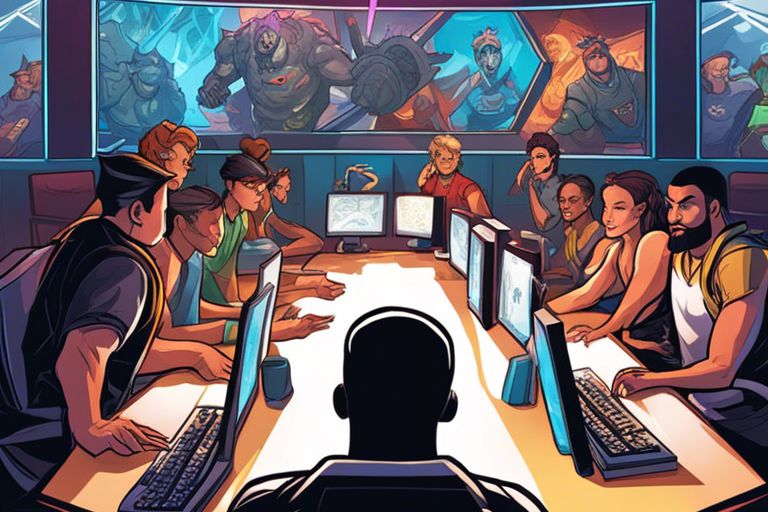
Unlike traditional sports, professional competitive gaming requires a unique blend of teamwork, strategy, and individual skill. In the world of e-sports, success often hinges on the dynamic between team members and their ability to work together towards a common goal.
Communication and Coordination
One of the most crucial aspects of team dynamics in e-sports is communication and coordination. In games where split-second decisions can mean the difference between victory and defeat, teams that can effectively communicate and coordinate their actions have a significant advantage. This involves not only clear and concise communication but also the ability to adapt and change strategies on the fly based on the evolving game situation.
Roles and Responsibilities
Coordination within a team is also crucial when it comes to defining roles and responsibilities. Each team member generally has a specific role to play within the game, whether it be a support role, damage dealer, or tank. The key to success lies in each player understanding their role fully and working in harmony with their teammates to achieve the overall objective. This division of labor allows teams to capitalize on each player’s strengths and cover for their weaknesses, creating a well-rounded and formidable unit on the virtual battlefield.
Team captains or shot-callers often play a vital role in guiding the team during gameplay, making strategic decisions, and keeping the team focused and united. These leaders must possess strong communication skills, a deep understanding of the game mechanics, and the ability to remain calm under pressure. Team members who can trust and rely on their captain’s judgment are more likely to perform at their best, knowing that someone is steering the ship towards victory.
The Business of E-Sports
To investigate into e-sports is to explore a world where revenue streams and monetization strategies are continuously evolving.
Revenue Streams and Monetization
E-Sports has seen a surge in revenue over the past few years, with a significant portion coming from sponsorships, advertising, media rights, and merchandise. The industry has been successful in attracting big-name sponsors like Red Bull, Intel, and Coca-Cola, who see the potential in reaching a younger and tech-savvy audience through e-sports events.
Franchises and Team Ownership
To understand the current landscape of e-sports is to recognize the growing trend of franchises and team ownership. This model, popularized by leagues such as the Overwatch League and the League of Legends Championship Series, has brought a sense of structure and stability to the industry. Franchises and team ownership have allowed organizations to secure long-term investments, build loyal fan bases, and establish a stronger presence in the competitive gaming scene.
Franchises and team ownership have not been without their challenges, as high entry costs and the pressure to perform at the highest level can be daunting for both newcomers and established organizations. However, the potential for growth and sustainability in e-sports organizations has attracted interest from traditional sports teams, celebrities, and investors looking to capitalize on the booming industry. As e-sports continues to gain mainstream recognition, the allure of owning a successful team in this dynamic and rapidly expanding field only continues to grow.
The Fan Base and Viewership
Demographics and Engagement
Despite being relatively new compared to traditional sports, e-sports have amassed a dedicated and diverse fan base. The viewership of professional competitive gaming includes people from various age groups, with a significant portion being millennials and Generation Z. The engagement levels among e-sports fans are remarkably high, with many followers actively participating in online communities, attending live events, and supporting their favorite teams and players.
Live Events and Streaming Platforms
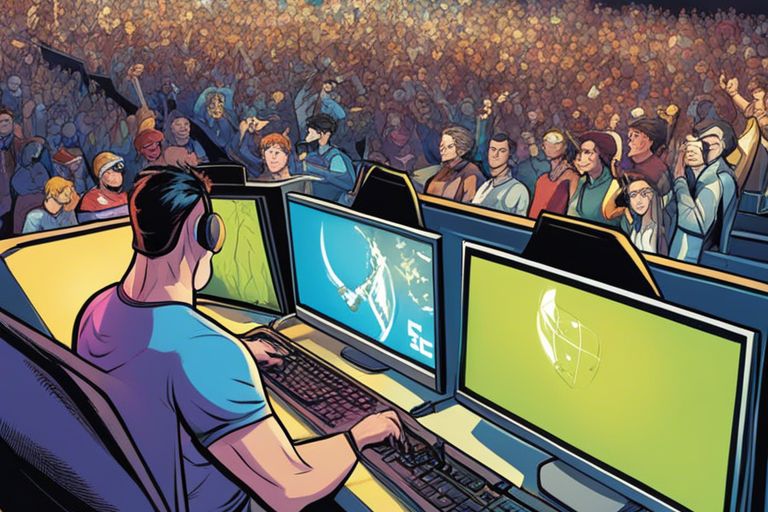
Viewership of e-sports has surged in recent years, with millions tuning in to watch live events both online and in person. The popularity of streaming platforms like Twitch and YouTube has been instrumental in this growth, offering a convenient way for fans to access live matches, replays, and exclusive content. E-sports events now rival traditional sporting events in terms of viewership numbers, with some tournaments filling stadiums and attracting a global audience.
Streaming has become a pivotal aspect of the e-sports industry, providing a platform for players to showcase their skills and personalities, and for fans to engage with their favorite teams and personalities in real-time. The interactive nature of live streaming has helped cultivate a sense of community and camaraderie among e-sports enthusiasts, contributing to the overall growth and success of professional competitive gaming.
Game Developers and Publishers
Supporting Competitive Play
Developers play a critical role in the success of e-sports by creating games that are not only enjoyable for casual players but also offer the depth and complexity required for competitive play. They need to fine-tune game mechanics, balance character abilities, and frequently update the game to keep it fresh and competitive. Additionally, developers often collaborate with e-sports organizations to design in-game items, skins, and loot boxes that can be used as rewards in tournaments, creating a deeper connection between the game and its competitive scene.
Balancing Gameplay and Spectator Experience
Developers face the challenge of balancing gameplay for competitive integrity while also ensuring an engaging experience for spectators. Games need to be visually appealing, easy to follow, and exciting to watch to attract a broader audience. It’s a delicate balance between keeping the core gameplay intact for players while enhancing the spectator experience through features like in-game replays, spectator mode options, and dynamic camera angles.
Spectator engagement is crucial in the world of e-sports as it drives viewership, sponsorships, and overall growth of the industry. By prioritizing the spectator experience, developers can elevate their games to new heights and solidify their position in the competitive gaming landscape.
The Impact of Technology
Advancements in Hardware and Software
YourAdvancements in hardware and software have played a significant role in the rise of professional competitive gaming. New gaming peripherals and equipment are constantly being developed to provide players with faster response times, better precision, and more immersive experiences. From high-refresh-rate monitors to customizable keyboards and mice, these technological advancements give competitive gamers the edge they need to perform at their best.
Virtual and Augmented Reality Integration
On the other hand, virtual and augmented reality technologies are transforming the gaming industry by offering new levels of immersion and interactivity. Players can now step into the game world and experience it in a whole new way. Virtual reality headsets provide a 360-degree view of the game environment, while augmented reality overlays digital elements onto the real world, creating unique gaming experiences.
To further illustrate, the integration of virtual and augmented reality in competitive gaming opens up endless possibilities for both players and spectators. Imagine watching a live e-sports tournament where virtual avatars of players are battling it out in a digital arena right before your eyes.
E-Sports in Education
Academic Programs and Scholarships
After gaining significant recognition in the mainstream, e-sports have made their way into education. Universities around the world are now offering academic programs focusing on competitive gaming, providing students with the opportunity to study game design, marketing, and event management within the e-sports industry. Additionally, colleges are starting to offer scholarships for talented gamers, not just for their gaming skills, but also for their potential in fields such as computer science, business, and communications.
Skills Transfer and Career Opportunities
An increasing number of educators are recognizing the transferable skills that e-sports can provide to students. Critical thinking, teamwork, communication, and strategic planning are just a few of the skills that are honed through competitive gaming. These skills are not only valuable in the virtual world but also highly sought after in the job market. As a result, more professionals are considering careers in e-sports management, event planning, marketing, and broadcasting.
The emergence of e-sports in education is bridging the gap between gaming and traditional career paths, offering students exciting new opportunities to turn their passion into a profession. Universities and colleges are not only adapting to this growing trend but also actively embracing it, opening doors for a new generation of students to explore a unique and promising industry.
The Dark Side of E-Sports
Now, as the world of professional competitive gaming continues to grow, so too do the darker aspects that come with it. While e-sports offer incredible opportunities and excitement, there are some troubling trends that have emerged within the industry.
Burnout and Mental Health Concerns
Health concerns in e-sports are becoming increasingly prevalent, with many players experiencing burnout and mental health issues due to the demanding nature of the profession. The intense practice schedules, high-pressure competitions, and constant travel can take a toll on players’ well-being. It’s not uncommon for e-sports athletes to practice for 10-12 hours a day, leading to physical and mental exhaustion.
Cheating and Toxicity
Mental well-being is also impacted by the prevalence of cheating and toxicity in the e-sports community. Cheating scandals have rocked the industry, causing distrust among players and fans alike. Additionally, the toxic behavior exhibited by some individuals, such as cyberbullying and harassment, can have serious consequences on the mental health of those involved.
Burnout and mental health concerns in e-sports are issues that need to be addressed to ensure the well-being of players and the longevity of the industry. By creating support systems, promoting healthy practices, and fostering a positive community, e-sports can work towards a more sustainable and inclusive future.
Regulation and Governance
Many facets of the e-sports industry are still evolving, including the regulatory and governance structures that oversee it. As the popularity of competitive gaming continues to grow, the need for establishing standards and rules becomes increasingly crucial.
Establishing Standards and Rules
An effective regulatory framework not only ensures fair play but also protects the integrity of the sport. Governing bodies and organizations are emerging to set guidelines for everything from player behavior to anti-doping policies. These standards aim to create a level playing field for all participants and safeguard the reputation of e-sports as a legitimate and respected form of competition.
International Cooperation and Sanctions
On the international level, cooperation between different jurisdictions is important to maintain consistency in regulations and address issues that transcend borders. Additionally, implementing sanctions for violations of established rules is necessary to uphold the integrity of e-sports as a whole. Ensuring that all players, teams, and organizations adhere to a set of universally agreed-upon standards is crucial for the long-term sustainability and credibility of competitive gaming.
To foster a healthy e-sports ecosystem, it is imperative for regulatory bodies to work together and enforce penalties when rules are broken. This ensures that e-sports can continue to grow and thrive on a global scale. By promoting transparency and accountability in governance, the industry can build trust with fans, sponsors, and stakeholders alike.
The Future of E-Sports
Emerging Trends and Innovations
To keep up with the ever-evolving landscape of e-sports, industry professionals are constantly looking for new trends and innovations to stay ahead of the curve. Virtual Reality (VR) and Augmented Reality (AR) technologies are revolutionizing the gaming experience, offering players a more immersive and interactive way to compete. These technologies have the potential to completely transform how e-sports are played and viewed, blurring the lines between the virtual and real world.
Expanding into New Markets and Territories
To reach a wider audience and capitalize on the global popularity of e-sports, organizations are actively exploring opportunities to expand into new markets and territories. With the increasing accessibility of high-speed internet and the growing popularity of mobile gaming, regions like Asia, Latin America, and Africa are becoming hotbeds for e-sports growth. These untapped markets present a lucrative opportunity for e-sports organizations to attract new fans, sponsors, and investors.
ESports organizations recognize the importance of diversifying their reach to ensure long-term sustainability and growth. By expanding into new markets and territories, they not only broaden their fan base but also create new revenue streams through sponsorships, merchandise sales, and broadcasting rights.
The Broader Cultural Significance
Once again, e-sports prove to be more than just a hobby for enthusiasts. The rise of professional competitive gaming has far-reaching implications for our culture and society.
E-Sports as a Reflection of Society
The world of e-sports mirrors the dynamics of our society in many ways. The competitive nature of gaming reflects the drive for success that is pervasive in modern society. Just like traditional sports, e-sports require dedication, teamwork, and skill to succeed, showing that the values of hard work and determination are universal across different domains.
Breaking Down Stereotypes and Barriers
The diversity present in e-sports is breaking down stereotypes and barriers that have long existed in the gaming world. Players from different cultural backgrounds, gender identities, and age groups are coming together to compete and collaborate in this burgeoning industry. This level playing field is challenging preconceived notions and opening up opportunities for a more inclusive and diverse gaming community.
| Breaking | Down Stereotypes and Barriers |
|---|---|
| Cultural backgrounds | Gender identities |
| Age groups | Inclusive |
This inclusive environment in e-sports is not only reshaping the industry but also setting an example for other sectors to follow suit. The breaking down of stereotypes and barriers in gaming is paving the way for a more equitable and accepting society at large. This evolution is a testament to the transformative power of e-sports in fostering unity and diversity among its participants and enthusiasts.
To wrap up
Upon reflecting on the rise of professional competitive gaming, it is clear that esports are here to stay and are only growing in popularity. With the emergence of tournaments, sponsorships, and dedicated fans, professional gamers are now recognized as athletes and have a platform to showcase their skills on a global stage. The future of esports seems promising, with more opportunities for gamers to turn their passion into a lucrative career.
In brief, the rise of professional competitive gaming is a fascinating phenomenon that highlights the changing landscape of sports and entertainment. As technology continues to advance and connectivity improves, esports will likely become even more mainstream, appealing to a broader audience and attracting new talent from around the world. The world of esports is evolving rapidly, and it will be exciting to see how it continues to shape the future of competitive gaming.


