

Overwhelmed by the tantalizing promises of wealth beyond dreams, gamers around the world investigated into the treacherous world of loot boxes, only to discover a nightmare of unimaginable proportions. This piece dives deep into the insane tales of those who dared to open the virtual Pandora’s Box, showing the perils that await those who seek to get rich quick in the unpredictable realm of gaming. Strap in for a rollercoaster ride of hilarity and horror as we uncover the dark side of loot boxes and the shocking consequences that can leave even the most seasoned gamers shaking in their boots.
Key Takeaways:
- Loot boxes: The article sheds light on the absurdity of loot boxes in the gaming industry, highlighting extreme stories that showcase the potential dangers of these microtransactions.
- Consumer exploitation: It humorously investigates into how gamers can be exploited by game developers through the addictive nature of loot boxes, leading to excessive spending and disappointment.
- Satirical perspective: The article takes a satirical approach to discuss the serious issue of loot boxes, using wit and exaggeration to entertain readers while also raising awareness about the negative impacts of these in-game purchases.
The Dark Side of Loot Boxes
The Psychology of Addiction
Addiction is a prevalent issue when it comes to loot boxes in gaming. The random nature of the rewards triggers dopamine release in the brain, creating a powerful feedback loop that keeps players coming back for more. Many gamers find themselves sinking significant amounts of money into these virtual grab bags, unable to resist the thrill of the gamble.
The False Promise of Easy Riches
Boxes promise a shortcut to riches, luring players in with the possibility of scoring rare, valuable loot. However, the reality is often far from this idealistic vision. Most players end up spending far more money than they ever recoup in the game, chasing after elusive prizes that seem just out of reach.
Riches are indeed elusive in the world of loot boxes. While some lucky individuals may strike gold and find themselves with valuable in-game items, the vast majority are left with empty wallets and regret. It’s imperative for gamers to recognize the dangers of falling into the trap of chasing after easy riches through loot box mechanics.
Tales of Woe
The Gambler’s Ruin
Even in the digital realm, the allure of gambling can lead to disastrous consequences. For some gamers, the thrill of opening loot boxes to chase that elusive rare item can quickly spiral out of control. What starts as a harmless way to enhance gameplay can turn into a dangerous addiction, draining bank accounts and causing emotional distress. The Gambler’s Ruin is a cautionary tale of how the pursuit of virtual rewards can lead to real-life financial ruin.
The Never-Ending Cycle of Disappointment
Even after experiencing numerous disappointments with loot boxes, some gamers find themselves trapped in a vicious cycle of hope and letdown. The promise of amazing rewards keeps them coming back for more, despite the odds being stacked against them. An endless loop of spending money, opening boxes, and facing disappointment perpetuates a harmful cycle that can be hard to break.
Understanding the psychological triggers that loot boxes exploit is crucial in addressing this issue. The intermittent reinforcement schedule, where rewards are given at unpredictable intervals, keeps players hooked by creating anticipation and excitement. This can lead to compulsive behavior as gamers chase the next big win, often at great personal cost. Recognizing the dangers of this addictive cycle is important in protecting vulnerable players from falling into the trap of endless disappointment.
The Business of Exploitation
How Game Developers Prey on Vulnerable Gamers
Businesses in the gaming industry often exploit vulnerable gamers through the use of loot boxes and predatory microtransactions. Developers design games in a way that encourages players to spend more money on items that provide in-game advantages, creating a cycle of dependency and exploitation. These systems are carefully crafted to trigger psychological responses in players, making them more likely to open their wallets in pursuit of virtual rewards.
The Lucrative World of Microtransactions
Gamers are constantly bombarded with offers to purchase microtransactions in their favorite games, promising to enhance their gameplay experience. These small in-game purchases may seem harmless at first, but they can quickly add up to significant amounts of money spent. Game developers capitalize on players’ desires to progress faster or stand out from the crowd by offering enticing microtransaction options that provide immediate gratification.
The lucrative nature of microtransactions has led to an explosion of these features in modern games, with some titles relying heavily on them for revenue. Players who are prone to addictive behaviors or who struggle with impulse control can find themselves trapped in a cycle of spending to keep up with their peers, ultimately leading to financial strain and negative gaming experiences.

The Blurred Lines of Reality
Your adventures in the digital realm can quickly blur the lines between fantasy and reality when it comes to loot boxes. What starts as a harmless way to enhance your gaming experience can quickly turn into a financial nightmare.
When Fantasy Meets Financial Ruin
Reality hits hard when you realize you’ve spent hundreds, even thousands, of dollars chasing after that elusive in-game item. The rush of excitement as you open yet another loot box soon transforms into a sinking feeling as you see your bank account drained by your digital quest. The virtual rewards may seem tempting, but the real-life consequences of overspending on loot boxes can be dire.
The Unsettling Feeling of Being Fleeced
Feeling like a sheep being led to the slaughter is all too common when it comes to loot boxes. The predatory nature of these virtual grab bags can leave players feeling exploited and cheated. The flashy animations and promises of amazing prizes mask the true cost of these microtransactions, leaving many gamers with a bitter taste in their mouths.
It’s vital for players to recognize the potential dangers of falling into the loot box trap. Setting strict spending limits, seeking support from friends or professionals, and staying informed about the risks associated with loot boxes are crucial steps in protecting yourself from financial harm and maintaining a healthy gaming experience.
The Anatomy of a Loot Box Disaster
The Perfect Storm of Greed and Naivety
Keep in mind that loot boxes are designed to tap into the primal desire for instant gratification and the hope of hitting the jackpot. Game developers and publishers know exactly what they are doing when they lure players with the promise of shiny rewards. Players, on the other hand, often fall prey to the temptation, fuelled by a mixture of greed and naivety.
The Crushing Weight of Expectation
To add to the high stakes of loot box gambling, there’s also the overwhelming pressure of expectation. Players invest time and money into acquiring these virtual boxes, believing that their next purchase could be the one to give them the coveted prize. Any sense of rationality or restraint can quickly disappear in the face of such intense anticipation.
Loot boxes create a cycle of desire and disappointment, as players chase after elusive rewards and often come up empty-handed. The psychological impact of constantly seeking a positive outcome, only to be met with frustration and loss, can take a toll on the mental well-being of individuals involved in loot box mechanisms.
The Rise of the Loot Box Epidemic
How a Harmless Mechanic Became a Menace
Unlike the arcade-style games of the past where you could pop in a coin to play a round and be done with it, loot boxes introduced a new and insidious way for gaming companies to reel in players. Initially hailed as a harmless mechanic to add excitement and suspense to games, loot boxes quickly transformed into a menace, preying on players’ psychology and exploiting addictive tendencies.
The Silent Enablers of the Gaming Industry
One of the key factors in the proliferation of loot boxes is the complicity of major gaming companies and platforms. By allowing and even promoting the use of loot boxes in their games, these industry giants are effectively endorsing a system that profits off of player vulnerability and fosters a culture of gambling within gaming communities.
Became imperative to the financial success of many games, loot boxes have generated billions of dollars in revenue for the gaming industry, creating a lucrative cycle that incentivizes the creation of more predatory practices to keep players hooked.
The Human Cost of Loot Box Addiction
All too often, the pursuit of virtual treasures in loot boxes comes at a real-world cost. Obsession with these chance-based mechanics has led to dire consequences for many individuals who fall into the trap of addiction.
The Devastating Consequences of Obsession
On the surface, loot boxes may seem harmless, but for some, they can spiral into a consuming addiction. Individuals have reported draining their savings, maxing out credit cards, and even resorting to nefarious means to fund their loot box habit. The mental and emotional toll of constant gambling for rewards can be devastating, leading to anxiety, depression, and strained relationships.
The Forgotten Victims of Gaming’s Dark Underbelly
One aspect often overlooked is the impact of loot box addiction on friends and family. Loved ones bear the brunt of the fallout, dealing with financial ruin, broken trust, and the emotional upheaval of witnessing someone succumb to the alluring yet dangerous world of loot boxes.
To truly grasp the magnitude of the issue, we must acknowledge the ripple effect of loot box addiction on not just the player, but those in their immediate circle whose lives are forever altered by the destructive consequences.
The Unholy Alliance of Gaming and Gambling
Despite the uproar surrounding loot boxes in recent years, the gaming industry has continued to blur the lines between entertainment and gambling. With players shelling out real money for a chance at virtual rewards, the similarities between gaming and gambling have never been more evident.
The Unsettling Similarities Between Loot Boxes and Slot Machines
Boxes Both loot boxes and slot machines operate on the principle of intermittent reinforcement, where the reward is given unpredictably. This randomness keeps players hooked, chasing the high of winning big. The flashing lights and celebratory sounds that accompany a successful pull of the lever or opening of a loot box further cement this addictive cycle.
The Sinister Forces Driving the Loot Box Industry
Gaming To add fuel to the fire, gaming companies often employ psychologists and behavioral scientists to optimize the design of loot boxes and other in-game purchases. These experts leverage cognitive biases and persuasive techniques to manipulate players into spending more money, tapping into their deepest desires and fears.
To safeguard against the potential harm caused by these manipulative practices, regulators around the world have started to take a closer look at loot boxes and their resemblance to gambling. By shedding light on these sinister forces at play, we can start to challenge the status quo and protect vulnerable players from falling into the loot box trap.
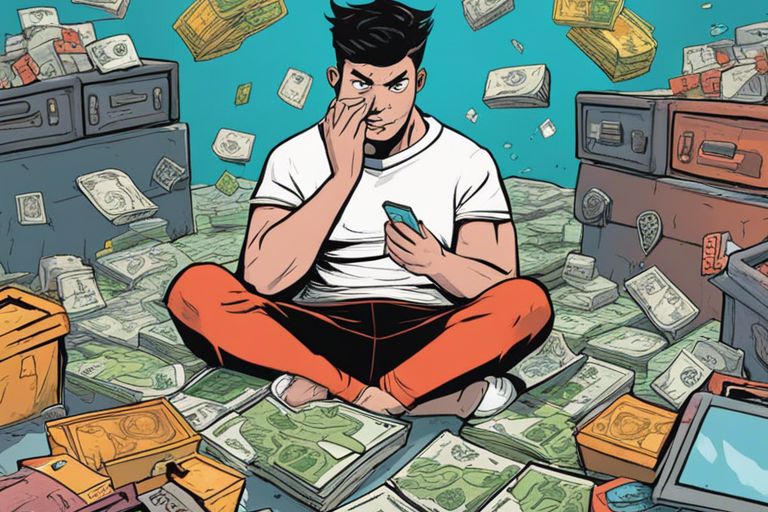
The Desperate Measures of Loot Box Junkies
Many gamers find themselves falling down a dangerous rabbit hole when it comes to loot boxes. The thrill of potentially winning valuable in-game items can be addictive, leading some players to go to extreme lengths to sustain their habit.
The Extreme Lengths Gamers Will Go to Feed Their Habit
Any means necessary to acquire more loot boxes can become justified in the minds of desperate players. Some may resort to spending beyond their means, maxing out credit cards, or even borrowing money to keep the virtual rewards coming. The rush of opening a box and hoping for a rare item can cloud judgment and push individuals to make irrational financial decisions.
The Shameful Secrets of Loot Box Enthusiasts
Enthusiasts of loot boxes may hide their obsession from friends and family, feeling a sense of shame about their spending habits and the extent of their addiction. The secrecy surrounding their loot box activities can lead to strained relationships and isolation as they become consumed by the pursuit of virtual treasures.
Junkies who chase the high of opening loot boxes may find themselves in a cycle of escalating behavior, constantly seeking that next big win. The allure of rare items and exclusive rewards can drive individuals to prioritize their virtual pursuits over real-life responsibilities and well-being. It’s vital for players to recognize when their obsession with loot boxes becomes harmful and seek help if needed to break free from this addictive cycle.
The Elusive Dream of the Big Score
The False Promise of Jackpots and Windfalls
Promise – Ah, the allure of the jackpot, the promise of a windfall that will make all your dreams come true. Gamers chasing that one legendary item or skin in loot boxes often fall victim to the false promise of instant riches. The developers dangle the carrot of a mythical jackpot, just out of reach, luring players into spending more and more money in the hopes of hitting the big score.
The Agony of Defeat and the Thrill of the Chase
An – The agony of defeat hits hard when players realize that the odds of winning the jackpot are stacked against them. Yet, the thrill of the chase keeps them hooked, constantly pulling that virtual lever in the hopes of finally striking it rich. The adrenaline rush of almost winning, combined with the fear of missing out on the next big thing, creates a vicious cycle of spending and disappointment.
Windfalls – The dangerous cycle of chasing after jackpots and windfalls in loot boxes can have detrimental effects on players’ mental and financial well-being. While the idea of hitting the big score is tantalizing, the reality is often a far cry from the glamorous image painted by the developers. It’s important for gamers to be aware of the risks involved and to approach loot boxes with caution to avoid falling into the trap of chasing an elusive dream.
The Enablers and the Ensnared
After exploring into the murky waters of loot boxes, it becomes evident that there are two main players in this twisted game: the enablers who promote these predatory practices, and the ensnared gamers who fall victim to their allure.
The Complicit Gaming Media and the Ignorant Gamer
Ensnared in the web of deceit woven by the gaming industry are the unwitting gamers who trust the recommendations of the very outlets that profit from promoting loot boxes. The complicit gaming media often downplays the risks associated with these virtual gambling mechanisms, touting them as harmless fun or an optional extra. Meanwhile, the ignorant gamer, eager to enhance their gaming experience, unknowingly opens the door to potential financial ruin.
The Unwitting Pawns in the Loot Box Game
With enticing offers of exclusive items, rare skins, or powerful boosts, gamers are lured into a cycle of addiction and monetary loss. The thrill of opening a loot box and the hope of landing that coveted item can quickly spiral into compulsive spending and a never-ending quest for virtual rewards. The gaming industry preys on the vulnerability and FOMO (fear of missing out) of players, turning them into unwitting pawns in the loot box game.
Loot boxes are dangerous mechanisms that exploit psychological triggers to keep players engaged and spending money. What starts as a harmless purchase can quickly escalate into a costly habit, leading to financial strain and emotional distress. Gamers need to be aware of the risks associated with loot boxes and approach them with caution to avoid falling into this predatory trap.
The Last Resort of the Loot Box Addict
The Rock Bottom of Financial Ruin and Emotional Despair
Rock Not every loot box addict reaches this point, but for those who do, it is a devastating reality. Financial ruin and emotional despair often go hand in hand for individuals who have succumbed to the allure of loot boxes. Their bank accounts are drained, debts pile up, and relationships crumble under the weight of their addiction. The temporary highs of unlocking rare items are replaced by the crushing lows of realizing the damage done.
The Long Road to Recovery and Redemption
Road It is a long and arduous journey for loot box addicts to find their way back to a semblance of normalcy. The first step is often admitting they have a problem and seeking help. Therapy, support groups, and financial counseling can all play a role in helping addicts break free from the cycle of addiction. With dedication and perseverance, it is possible to overcome the hold that loot boxes once had on their lives.
Plus For those on the path to recovery, there are moments of clarity and hope that shine through the darkness. Rebuilding relationships, regaining financial stability, and rediscovering hobbies and passions outside of gaming are all signs of progress. It’s important for individuals to remember that they are not alone in their struggles and that there is a way out of the grip of loot box addiction.
Based on the satirical nature of the article, this subsection provides a humorous yet sobering look at the extreme consequences of loot box addiction while also offering a glimmer of hope for those who are seeking redemption.
The Unlikely Heroes of the Anti-Loot Box Crusade
Now let’s shine a light on those who have fearlessly stood up against the tyranny of loot boxes, risking it all to expose the dark underbelly of the gaming industry and protect players from falling victim to their manipulative schemes.
The Brave Whistleblowers and Crusaders
With bravery and determination, whistleblowers like Ethan “GameGuardian” and activists like Sarah “NoMoreLoot” have stepped out of the shadows to reveal the inner workings of loot box mechanics, shedding light on the predatory practices that have plagued the gaming world. These unsung heroes have faced backlash and threats but continue to fight for a fairer, more transparent gaming environment for all.
The Unlikely Allies in the Fight Against Loot Boxes
On the surface, it may seem improbable that renowned gamers, industry veterans, and even some game developers are joining forces to combat the spread of loot boxes in games. However, their shared belief in ethical gaming practices and the well-being of players has brought them together in this noble cause.
Allies in this fight understand the potential harm that excessive loot boxes can cause, from draining players’ wallets to fostering addictive behaviors. By uniting their voices and influence, they hope to bring about lasting change and create a gaming landscape that puts player experience and enjoyment above profits.
To wrap up
Following this humorous and satirical journey through “Get Rich or Cry Trying – Insane Loot Box Horror Stories,” it’s apparent that the article effectively highlights the absurdity and dangers of falling into the loot box addiction trap. By using an exaggerated tone and outlandish scenarios, the piece delivers a powerful message about the risks associated with these microtransactions in gaming.
Through the lens of humor and satire, readers are encouraged to reflect on their own interactions with loot boxes and consider the potential consequences of getting caught up in the cycle of hoping for that next big win. The article serves as a cautionary tale disguised in laughter, reminding gamers to approach these virtual transactions with caution and mindfulness to avoid becoming another victim of the loot box horror stories.